
Types of Home Electrical Services: A Homeowner's Guide
Home electrical services cover every task a licensed electrician performs to keep your home safe, functional, and up to code — here's how to know which one you actually need.
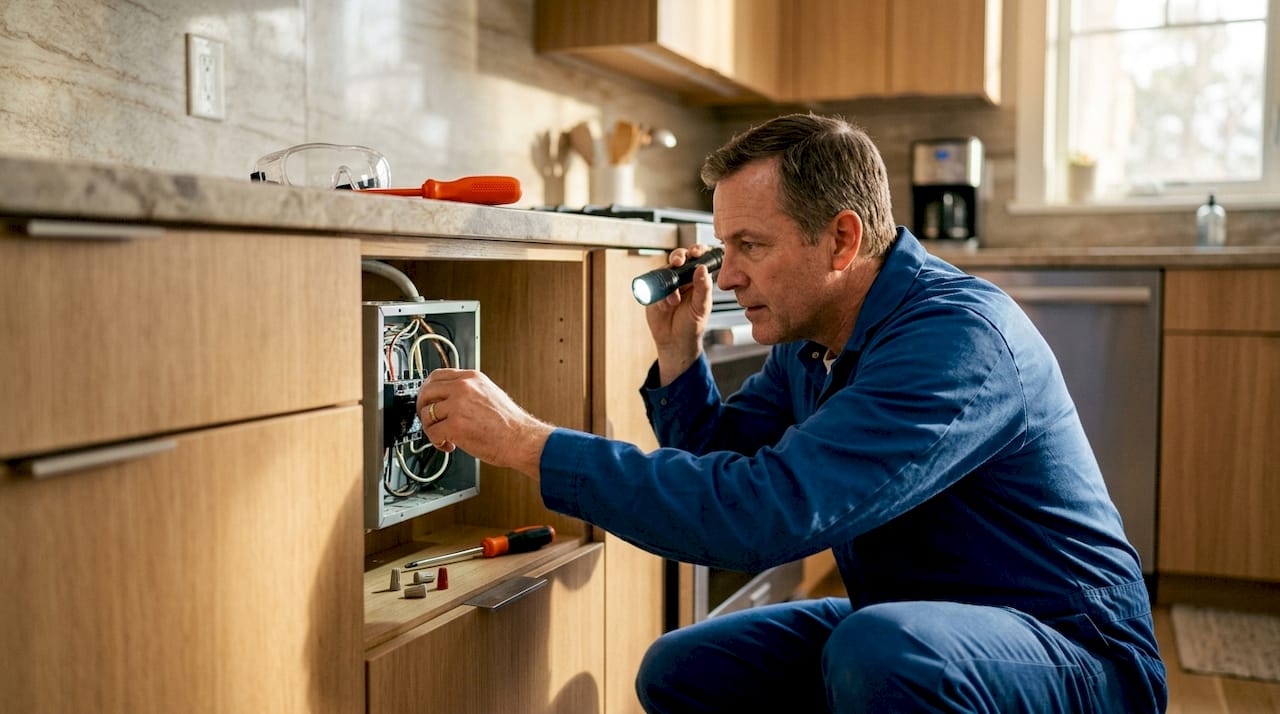
Home electrical services cover every task a licensed electrician performs to keep your home safe, functional, and up to code. These services fall into three broad categories recognized by the industry: repair and troubleshooting, installation and upgrades, and safety and preventative maintenance. The National Electrical Code (NEC) sets the minimum standards for all residential electrical work in the United States, and knowing the types of home electrical services available helps you make faster, smarter decisions when something goes wrong or when you plan a renovation.
1. What are the most common types of home electrical repair services?
Repair services address faults that already exist in your home's electrical system. The most frequent calls involve tripped breakers, flickering lights, dead outlets, and malfunctioning switches. These are not just nuisances. Ignoring warning signs like warm outlets or repeated breaker trips can create genuine fire hazards. Addressing them early is always cheaper and safer than waiting.
A typical repair visit covers two distinct phases. First, a licensed electrician uses specialized tools to locate the hidden fault. Then, once the problem is confirmed, the actual fix begins. Diagnostic and repair time are separate steps, and a written scope of work before any repair starts protects you from unexpected charges.
Most home electrical repair services wrap up quickly:
- Outlet replacement: Swapping a dead or damaged outlet takes under an hour in most cases.
- Switch repair or replacement: Faulty switches are usually a straightforward fix during a standard visit.
- Fixture troubleshooting: Flickering or dead light fixtures often trace back to a loose connection or a failing ballast.
- Breaker diagnostics: A tripped breaker that keeps resetting signals a deeper wiring issue, not just an overload.
- Emergency response: For sparking wires or burning smells, emergency electrical response targets a 1–2 hour arrival window. Standard diagnostic and minor repair calls typically run 2–4 hours.
Pro Tip: Ask your electrician to provide a written diagnostic report before approving any repair work. That document protects you if the issue recurs and gives you a clear record for insurance purposes.
2. Installation and upgrade services modern homeowners should consider
Residential electrical installations go well beyond plugging in a new fixture. They include panel upgrades, EV charger installation, smart home device wiring, and ceiling fan setups. These jobs require permits in most jurisdictions and must meet current NEC standards to pass inspection.

Panel upgrades are one of the most impactful investments you can make. Older homes often run on 100-amp service, which cannot safely handle modern loads like electric vehicle chargers, heat pumps, and multiple high-draw appliances at the same time. Upgrading to 200-amp service gives your home the capacity it needs today and room to grow.
Common installation and upgrade services include:
- Panel upgrades to 200-amp service: Required for EV chargers, whole-home generators, and large HVAC systems.
- EV charger installation: A Level 2 charger requires a dedicated 240-volt circuit and load management planning to avoid overloading your panel.
- Smart home device wiring: Smart switches, dimmers, and outlets often need a neutral wire that older wiring lacks. An electrician can assess compatibility before you buy.
- Ceiling fan and light fixture installation: A standard upgrade during remodeling that requires proper box support rated for fan weight.
- Low-voltage and data wiring: Structured wiring for home networks, security cameras, and audio systems is increasingly bundled with electrical work.
Planning ahead during renovations to include circuits for future EV chargers and smart systems during the pre-wire phase saves significant cost compared to retrofitting later. Running conduit or rough-in wiring while walls are open costs a fraction of what it costs to cut into finished drywall.
Pro Tip: If you are remodeling any room, ask your electrician to rough in at least one extra circuit beyond your current needs. The cost at rough-in stage is minimal, and you will thank yourself when you add a home office or workshop later.
3. How safety and preventative maintenance services protect your home
Safety services are the category most homeowners skip until something goes wrong. That is a costly mistake. The 2026 NEC requires AFCI protection in bedrooms and living spaces under section 210.12(A), and GFCI protection in kitchens, bathrooms, outdoor areas, and garages under section 210.8(A). If your home does not have these devices, you are out of compliance and at elevated risk.
Arc Fault Circuit Interrupters (AFCIs) detect dangerous arcing in wiring before it starts a fire. Ground Fault Circuit Interrupters (GFCIs) cut power within milliseconds when they detect a ground fault, preventing electrocution near water. Both are inexpensive to install and required by code in new construction and major renovations.
A preventative maintenance plan typically includes:
- Whole-home safety inspection: An electrician checks panel condition, wiring age, grounding, and device function throughout the house.
- AFCI and GFCI testing and installation: Devices are tested for proper operation and replaced if they fail the test.
- Whole-home surge protection: A surge protector installed at the panel shields every device in your home from voltage spikes caused by lightning or utility switching.
- Wiring condition assessment: Older aluminum wiring or knob-and-tube wiring requires specific remediation to meet current safety standards.
- Panel directory labeling: Missing or incorrect panel labels are one of the most common causes of inspection failures. Correcting them is a simple self-audit step before scheduling an official inspection.
Permits are mandatory for most electrical work. They create a documented inspection history that protects your insurance coverage and adds verifiable value at resale. Skipping permits to save money is a risk that frequently costs more to correct later.
Electrical permits and inspections also trigger a formal review by your local authority, which catches problems a homeowner or even a less thorough contractor might miss. Think of it as a second set of expert eyes on work that affects your family's safety.
4. What specialized electrical services are gaining popularity in modern homes?
Specialized electrical services reflect how homeowner needs have changed. EV charger installation, home automation wiring, generator hookups, and full electrical remodeling projects are now among the most requested jobs for licensed electricians.
Home automation integration has moved from luxury to standard in many new builds. Smart lighting systems, motorized shades, whole-home audio, and security integrations all require dedicated wiring and, in many cases, a low-voltage specialist working alongside your electrician.
| Specialized service | What it involves | Key requirement |
|---|---|---|
| EV charger installation | Dedicated 240V circuit, load calculation | Panel capacity assessment |
| Home generator hookup | Transfer switch, fuel line coordination | Permit and utility notification |
| Electrical remodeling | Rewiring, circuit additions, layout changes | Full permit and inspection |
| Smart home integration | Low-voltage wiring, device pairing | Neutral wire availability |
| Outdoor electrical work | Weatherproof outlets, landscape lighting | GFCI protection, burial depth |
Generator installation deserves special attention. A standby generator connects through an automatic transfer switch, which isolates your home from the utility grid during an outage. This prevents back-feed that could injure utility workers. The transfer switch installation requires a permit and must be inspected before the generator goes live.
Electrical remodeling covers rewiring older homes, adding circuits for new room layouts, and upgrading systems to handle modern loads. Planning these projects with future electrical demands in mind reduces the chance of needing another round of work within a few years.
5. How to choose the right home electrical service based on your needs and budget
Choosing the right professional electrician service starts with correctly identifying what you actually need. Repair, installation, and maintenance are not interchangeable, and calling for the wrong service type wastes time and money.
Ask yourself three questions before calling an electrician:
- Is this an urgent safety issue (sparking, burning smell, no power to a critical circuit)? Call for emergency repair service immediately.
- Is this a planned improvement (new panel, EV charger, smart devices)? Schedule an installation consultation with a written estimate.
- Has it been more than five years since your last electrical inspection? Book a preventative maintenance visit.
Home age matters significantly. Homes built before 1980 may have aluminum wiring, two-prong ungrounded outlets, or panels with known safety issues. These are not cosmetic problems. They require evaluation by a licensed electrician before you add any new load to the system.
Pricing for home electrical repair services varies widely because no two homes have identical wiring conditions. On-site estimates are the only reliable way to get an accurate number. A handyman pricing guide can give you a baseline for standard tasks, but complex electrical work always warrants a dedicated electrician quote.
Electrical warranties from reputable contractors typically cover devices for 5 years, wiring and breakers for 10 years, and panels and surge protection for the lifetime of the installation. These warranties often transfer to a new owner at sale, which adds real value to your home.
Pro Tip: Always verify that your electrician holds a current state license and carries both general liability and workers' compensation insurance. Ask for the license number and check it against your state's contractor database before any work begins.
Key takeaways
Home electrical services fall into three core categories: repair, installation and upgrades, and safety maintenance. Knowing which category fits your situation gets you to the right professional faster and protects your budget.
| Point | Details |
|---|---|
| Three service tiers exist | Repair, installation, and safety maintenance cover every residential electrical need. |
| NEC compliance is not optional | AFCI and GFCI requirements under the 2026 NEC apply to renovations and new work. |
| Permits protect your investment | Permitted work creates an inspection record that supports insurance claims and resale value. |
| Plan installations for future needs | Rough-in wiring during renovations for EV chargers and smart systems saves significant retrofit costs. |
| Warranties add home value | Quality electrical work carries tiered warranties that transfer to buyers at sale. |
Why I think most homeowners wait too long to call an electrician
The homeowners I talk to most often share a common pattern. They notice a flickering light or a warm outlet, assume it is minor, and put off calling anyone for months. By the time they do call, what started as a loose connection has sometimes become a wiring repair that costs several times more than the original fix would have.
The electrical system in your home is not like a leaky faucet where the worst outcome is a higher water bill. Degraded wiring and failing connections are a leading cause of residential fires. The 2026 NEC updates to AFCI and GFCI requirements exist precisely because the data on electrical fires supports mandatory protection, not optional upgrades.
I also see homeowners underestimate how much the age of their home changes the equation. A 1960s house with original wiring is a fundamentally different electrical environment than a home built in 2015. The older home needs a full assessment before any new load is added, not just a quick fix for the presenting symptom.
The most cost-effective thing you can do is schedule a whole-home safety inspection every five years and act on what it finds. That single habit catches the problems that become expensive emergencies. Working with a licensed electrician who pulls permits and provides written warranties is not overcaution. It is the baseline standard for work that affects your family's safety and your home's resale value.
— Yana
Finding the right electrician just got easier with Handy
Knowing what type of electrical service you need is half the battle. Finding a licensed, vetted electrician you can trust is the other half.

Handy is an AI-powered marketplace that connects homeowners with verified local electricians for repairs, installations, inspections, and everything in between. You describe your job with a photo or a few words, and Handy generates an instant price estimate and a detailed job description. There are no lead fees charged to contractors, which means the professionals on the platform are there because they want the work, not because they paid to appear. Browse real reviews, check portfolios, and book a licensed electrician with confidence. Every hire is backed by transparency in pricing and contractor credentials.
FAQ
What are the main types of home electrical services?
Home electrical services fall into three categories: repair and troubleshooting, installation and upgrades, and safety and preventative maintenance. Each category covers distinct tasks from fixing dead outlets to upgrading your panel for EV charging.
How long does a typical electrical repair visit take?
Most diagnostic and minor repair calls are completed within a 2–4 hour visit. Emergency situations involving sparking or burning smells typically receive a response within 1–2 hours.
Do I need a permit for home electrical work?
Permits are required for most electrical work beyond simple device replacements. Permitted work creates a documented inspection history that protects your insurance coverage and supports your home's resale value.
What is the difference between AFCI and GFCI protection?
AFCI devices detect dangerous electrical arcing in wiring and shut off the circuit to prevent fires. GFCI devices detect ground faults near water sources and cut power within milliseconds to prevent electrocution.
How do I choose a qualified electrician for my home?
Verify that any electrician you hire holds a current state license and carries liability and workers' compensation insurance. Check the license number against your state's contractor database, and always get a written estimate before approving any work.
Get an instant price with Handy
Snap a photo or describe the job — our AI writes the brief and gives you a fair price range in seconds. Verified Texas pros bid, and you only pay when you hire.
Try Handy free →